Is It Crazy to Sell My Lakeshore House in January?
Most sellers aren’t asking if January is ‘crazy.’ They’re asking if it’s safe, financially, emotionally, and strategically. January along the West Michigan Lakeshore has its own kind of quiet. The crowds are gone, the beach parking lots are empty, and the same stretch of sand where you watched July sunsets is now crusted with ice and wind patterns. Lake Michigan turns steel gray. Walking out to the pier or along the channel feels different in January than it did in August, but if you live here, you know that is part of the beauty.
For a lot of lakeshore homeowners, that quiet is when the big questions start to surface.
➔ Maybe your family is growing and the house that worked when you first moved in now feels tight after one more holiday with everyone crammed into the living room.
➔ Maybe a new job in Grand Rapids or Muskegon starts soon and the commute from the lake no longer makes sense.
➔ Maybe the kids are out of the house and you are tired of maintaining a big yard you really only use a few weekends in the summer.
➔Maybe you are walking up the icy steps from the beach thinking it might be time to cash out some equity and start a different chapter.
➔ Maybe a new job in Grand Rapids or Muskegon starts soon and the commute from the lake no longer makes sense.
➔ Maybe the kids are out of the house and you are tired of maintaining a big yard you really only use a few weekends in the summer.
➔Maybe you are walking up the icy steps from the beach thinking it might be time to cash out some equity and start a different chapter.
Whatever your reason, life does not wait for tulips and patio season. It moves on its own timeline, which is why so many lakeshore owners end up asking the same question around the New Year.
Is it crazy to list in January. Or is there a smart way to do it.
The short answer is that January can be a very real window to sell along the Lakeshore, as long as you understand how this winter market works and what buyers are actually doing when the beaches are frozen.
The rest of this guide will walk you through why people sell in January, who is really shopping, and how to decide if listing now fits the life you are trying to move into next.
➥ If you already know winter might be your window, you can reach Josh here for a quick clarity check before you make any decisions.
Why do people sell their Lakeshore homes in January?
People think home sales follow the seasons, but in real life, they follow circumstances. January just happens to be the month when those circumstances come into focus.
Maybe the holidays made you realize the house no longer fits the way you actually live. The kids are in different stages, the rooms feel smaller, and you’re starting to imagine what life would look like with a second living space or a main-floor bedroom.
Maybe you accepted a new role that starts in a few weeks, a hospital job in Holland, a promotion in Grand Rapids, or a manufacturing position in Muskegon, and the drive from the lakeshore suddenly feels too long for this next chapter.
Some homeowners sell now because the house has become more than they want to maintain through another winter. The deck you loved in July is now under eight inches of snow, the furnace is running nonstop, and you’re thinking more about simplicity than summer barbecues.
Others are stepping into something new, downsizing after kids have moved out, moving closer to family, or relocating after a change they didn’t expect. January can feel like a “reset button,” and selling becomes part of that reset.
And then there are the homeowners who simply want to capture their equity while the market is still strong. They’re ready to lighten the load, take the win, and position themselves for a spring purchase somewhere else.
Whatever the story behind it, people sell in January because life is moving, and they need their home decision to move with them.
Is it really a bad idea to sell a house in winter?
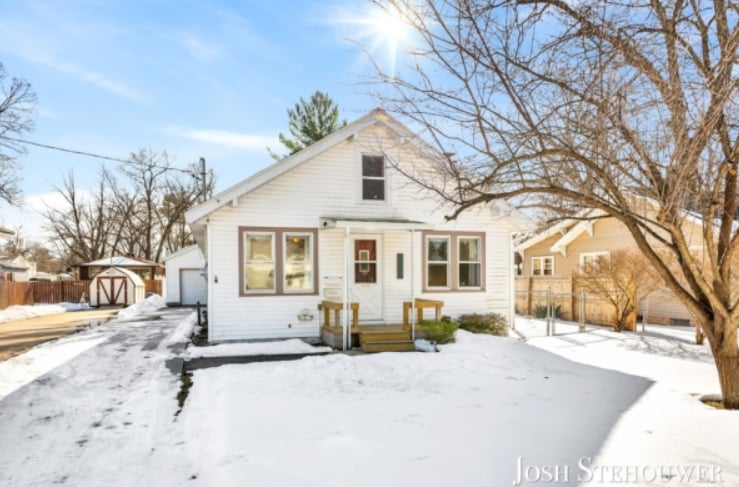
Not necessarily. Winter has a reputation for being slow, but along the Lakeshore it’s not the dead zone people imagine. The market simply shifts. Instead of casual summer browsers drifting through open houses, winter brings out the people who actually need to move.
A January listing won’t draw the same foot traffic as April, but that’s not always a disadvantage. Fewer showings often means more serious conversations. Buyers touring homes in winter aren’t killing time between beach days, they’re relocating for work, making a long-term lifestyle change, or looking for the right lakeshore property before spring competition heats up.
And the market itself is still moving. In many Lakeshore zip codes, inventory stays tight through the colder months, which gives well-presented homes a real advantage. If your place looks good indoors, shows well in evening light, and is priced appropriately for current conditions, you’re not automatically at a disadvantage just because it’s January.
Winter isn’t “bad.” It’s different. And for the right home and the right situation, it can be a very strategic window.
Are there serious buyers looking for lake homes in winter?
Yes, and winter buyers along the Lakeshore are some of the most motivated you’ll ever meet.
These aren’t casual summer browsers who stumble into an open house on a Saturday after a day at Tunnel Park. Winter buyers have a reason. A new position starting in Holland or Grand Rapids. A family moving back closer to the shoreline. Retirees who no longer care what season it is, they simply know they want to live near the water. Investors keeping an eye out for homes with lake access. People who have been watching the Lakeshore market all year and don’t want to wait for a spring bidding war.
The truth is, buyers who tour homes in January have already decided they’re moving. They’re not waiting for warm weather to get their life in order. They want clarity, inventory, and a home that works for the long term.
And because winter inventory is lighter, they often move faster and more decisively, especially when a home feels well-maintained and warm the moment they step inside. This is a real window for sellers to stand out.
➥ If you want a clearer picture of what buyers are doing right now, and what they’re paying, take a look at Josh’s full 2025 market breakdown here:
selling your West Michigan home in 2025
Josh keeps it updated with what’s actually happening, not what national blogs assume is happening.
Does a January listing hurt your home value or time on market?

Not automatically, and along the Lakeshore, it often doesn’t hurt at all.
Homes that are priced correctly and show well inside can perform just as strongly in January as they do in April. The difference is competition. In places like Grand Haven (49417) and Spring Lake (49456), winter inventory drops so low that the few homes that do hit the market get a surprising amount of attention. Buyers who need to move for work, school timelines, or life transitions don’t hold out for spring, they buy what’s available.
And here’s what sellers sometimes forget: lake access, walkable neighborhoods, and move-in-ready homes stay appealing year-round. A buyer relocating to Muskegon for Mercy Health doesn’t care that the yard isn’t green yet. They care that the kitchen is updated, the windows perform well, and the house feels solid when the wind comes off the channel.
January showings reveal the home without the summer gloss, which actually builds trust. A house that feels warm, bright, and well-cared-for in winter sends a strong message:
“If it feels this good in January, imagine it in June.”
“If it feels this good in January, imagine it in June.”
➥ If you’re wondering how your home’s value fits into this winter market, take a look at Josh’s breakdown of real pricing trends here:
home values in Grand Haven
It’s a helpful way to see where your home sits before making any moves.
How fast are homes selling on the Lakeshore this winter?
Faster than most people think.
Even in January, well-priced homes along the Lakeshore continue to move, especially in zip codes where inventory stays tight year-round. In Muskegon (49441) and Norton Shores, buyers who didn’t secure a home before the holidays are still actively watching the MLS every morning. The same is true for South Haven, where lake-access properties and updated inland homes can draw immediate interest, even when it’s twenty degrees outside.
Winter buyers aren’t browsing, they’re scanning.
And when a new listing hits that checks their boxes, updated kitchen, solid mechanicals, flexible layout, lake proximity, they book a showing right away. They don’t assume something better is coming in April, because they’ve already watched months of limited inventory come and go.
Homes that show well inside often perform the best in January.
Warm lighting, uncluttered rooms, and clean presentation go a long way when buyers walk in from the cold. A listing doesn’t need sunshine and green grass to make an impression. It needs clarity, quality, and a layout that works for the next phase of someone’s life.

➥ If you want a feel for how competitive things are this winter, and how quickly homes like yours are moving, Josh breaks it down here:
selling in Grand Haven this winter
It’s a useful comparison to see how city-to-city timing shifts along the Lakeshore.
What are the risks of waiting until spring to list?
Spring feels like the “safe” season to sell, and in some ways it is. Longer days, greener lawns, more foot traffic. But along the Lakeshore, waiting until April or May isn’t always the advantage people think it is.
Here’s what most homeowners don’t realize:
1. Spring brings a flood of competition.
In areas like Holland’s north side, Grand Haven, and Spring Lake, the MLS jumps significantly once temperatures rise. Every homeowner who held back in winter lists around the same time. Your home isn’t the only fresh option anymore, it’s one of dozens.
2. Buyers become pickier.
In January, buyers focus on fundamentals: layout, condition, location.
In April, they start expecting perfect landscaping, pressure-washed driveways, and magazine-ready curb appeal.
3. Some buyer pools disappear by spring.
Relocators starting early-year jobs?
Already bought.
Empty nesters looking for something smaller?
Moved before snowmelt.
Families shifting school districts?
Planning earlier than ever.
Winter buyers are motivated. Spring buyers have options.
4. Contractors book up, fast.
If you’re planning to repair, paint, or update before selling, spring is the hardest time to get anything done.
Winter offers availability and shorter timelines.
5. You may miss your personal window.
If your job starts in March…
If you’re paying two mortgages…
If you’re ready emotionally now…
Waiting for “perfect timing” can cost more than it helps.
And remember, some of the strongest 2025 sales so far have come from homeowners who listed before spring competition hit.
6. Spring relocations are harder to coordinate.
If you’re moving for work or transitioning to a new city, spring can actually make things more complicated. Housing competition spikes at the same time employers onboard new hires, which means you’re trying to sell your home while competing for your next one.
Families who need to settle before summer camps, sports, or school changes often feel rushed in spring, and rushed decisions rarely feel good. Listing in January can give you a calmer runway to sell, find your next place, and move with far less stress.
What should I do if I need to sell my house now?
If you’re looking at your timeline and realizing January is the window you’ve got, the goal isn’t perfection, it’s preparation. A few focused steps can make your Lakeshore home stand out, even in the middle of winter.
1. Make the inside shine, this is what buyers care about most in January.
Shorter days mean most showings happen after work, in low light.
Warm lighting, uncluttered rooms, and clean surfaces go further than you’d think.
Buyers need to feel:
“I could live here today.”
2. Prioritize comfort.
A warm house, a draft-free entryway, and tidy mudroom cues instantly lower buyer resistance.
If your furnace, windows, or insulation have been updated recently, highlight it, winter buyers notice.
3. Clear, safe walkways.
It sounds small, but a clean driveway and salted steps signal a cared-for home.
First impressions happen before the door even opens.
4. Schedule winter-smart photography.
Bright, crisp days are gold.
Your home doesn’t need green grass, it needs clarity, contrast, and good lighting.
Professional photos make a bigger impact in winter because the MLS isn’t flooded with competing images.
5. Price strategically for winter inventory, not spring competition.
January pricing isn’t about discounting, it’s about matching demand.
With fewer listings in places like Holland, Grand Haven, and Spring Lake, smart pricing keeps you competitive without feeling rushed.
➥ If you want help mapping out these steps, or want a quick read on what buyers are doing in your zip code, you can reach Josh directly here:
sell your West Michigan home
He’ll walk you through timing, prep, and a game plan that fits your life, not the season.
Ready to talk through your timing with someone who actually knows the Lakeshore?
If you are still on the fence about listing in January, you are not alone. Most Lakeshore homeowners only sell a handful of times in their life. You are not supposed to have all the answers.
What you do deserve is a clear look at:
- what buyers are doing in your specific zip code
- how homes like yours are performing this winter
- whether waiting until spring really helps or just delays the move you already know you want to make
That is where Josh comes in.

He lives and works in this market, spends his days watching how homes are moving from Muskegon down to South Haven, and has walked plenty of sellers through the exact same January question you are asking now.
➥ Want help deciding if now is the right time?
Josh will walk you through the pros, cons, and current buyer demand so you can make a decision that fits your life, not just the season.
➥ Book a quick consult here and start mapping out your next chapter.