How many days on market is normal in West Michigan right now?
If you’ve listed your home in West Michigan and you’re watching the days tick by, you’re not the only one refreshing the MLS app. Late 2025 is a strange year. Some homes go pending in three days, others sit past the first week with barely any showings. And the silence? It’s loud.
Here’s the truth:
A “normal” days-on-market number doesn’t exist this year, at least not in the simple way sellers wish it did. But there isa real range you can use to understand whether your listing is behaving the way the market expects.
Right now, West Michigan homes typically sit:
- 7–14 days if they’re updated, move-in-ready, and priced correctly.
- 15–25 days if they’re clean but not fully updated.
- 25–40+ days if condition gaps, pricing strategy, or seasonality get in the way.
That means if you’re at day 10 with a few showings, you’re still in the normal zone. If you’re past day 20 with light activity, it’s time to look at what story your listing is telling buyers.
Your days-on-market number isn’t a verdict. It’s a signal. And knowing how to read it is the first step to understanding what happens next.
When do sellers start to panic after listing a home?
Most sellers won’t admit it out loud, but the panic usually shows up long before the market says anything is wrong.
It often starts around day 10–14.
That’s when the quiet feels heavier. The early excitement fades. Neighbors ask if you’ve had any offers. You refresh the showing app more than you’d like to admit. And suddenly you’re wondering:
“Is it me? The house? The price? The agent? The market?”
But here’s the truth:
Most West Michigan buyers don’t make decisions in week one anymore. And most listings don’t hit their real momentum until the second weekend. Panic usually shows up emotionally before it shows up data-wise. That’s why understanding the actual patterns matters more than your perception of them.
↪ When I talk with sellers going through this, the goal is simple: replace anxiety with context. You can learn more about how I approach that and why it matters.
Once you understand what buyer behavior really looks like right now, the panic fades and strategy takes over.
Does it mean something is wrong if my home sits longer than average?
Not automatically. A longer days-on-market number doesn’t always signal a problem — it often signals a mismatch.
A mismatch between:
- price and condition
- condition and buyer expectations
- timing and seasonality
- or even just the wrong buyers seeing the home first
In late 2025, West Michigan buyers are pickier. They’re looking harder at finishes, comparing more aggressively, and walking away faster when something feels mispriced. That means a home can sit longer even if nothing is “wrong” with it.
What does become a red flag is when the pattern lines up:
- Low showing count
- Weak feedback
- No second showings
- Crickets after week two
↪ If you want clarity on whether what you’re feeling is a normal market slowdown or a true shift in leverage, I break down the major West Michigan trend changes.
Longer days don’t mean something is wrong.
They just mean something needs to be understood.
Are downtown Muskegon condos slowing down?
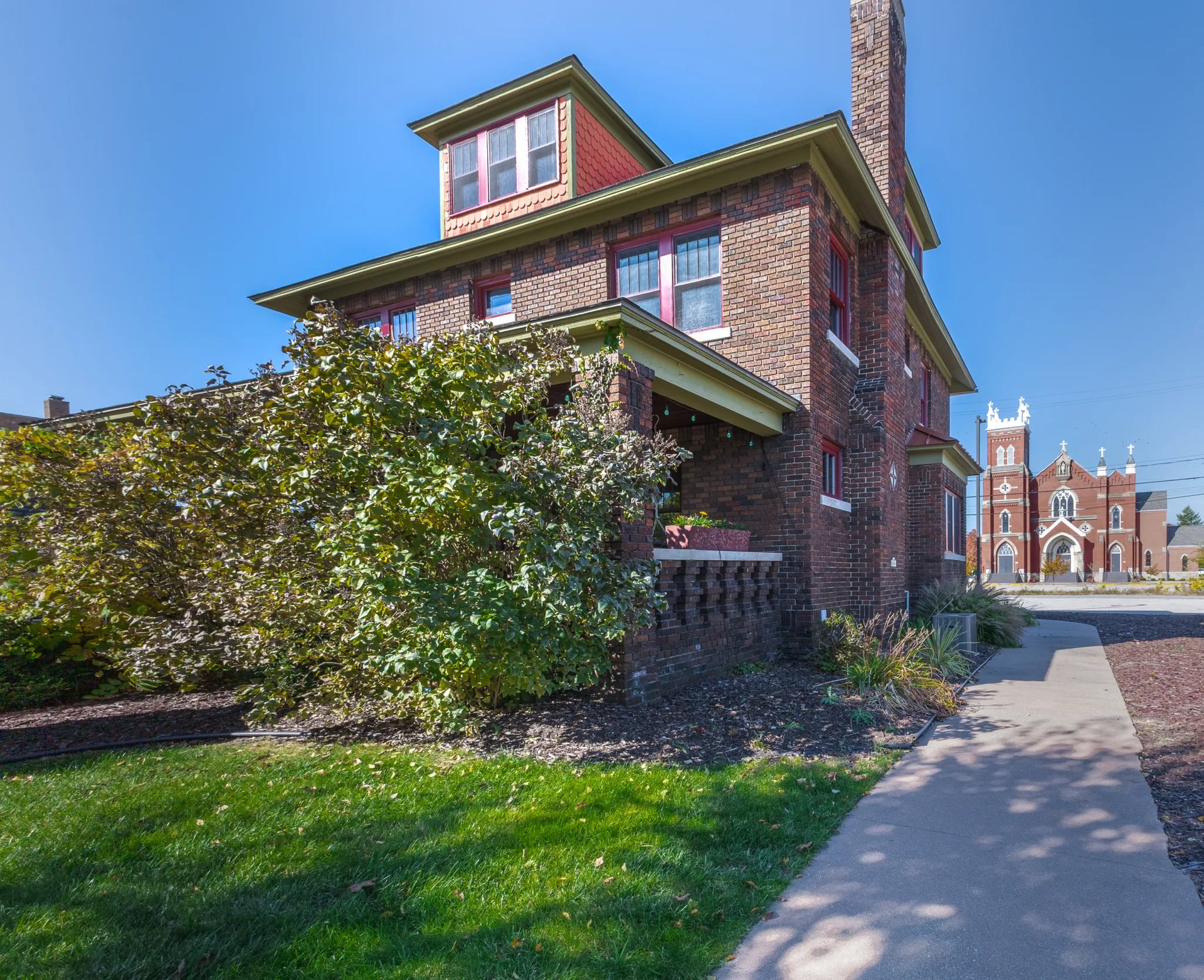
Downtown Muskegon is its own ecosystem. Condos attract relocators, remote workers, and downsizers, buyers who usually move fast and know exactly what they want.
In 2025, momentum has shifted a bit:
- Demand is still there, but buyers are more price-sensitive.
- Units with dated finishes sit longer than expected.
- Newer or fully updated condos move quickly, sometimes in under 14 days.
↪ If you want to understand how waterfront-adjacent pricing behaves in winter (which heavily impacts condo demand), this lakeshore breakdown is helpful.
A downtown condo won’t stall because the area is weak, it will stall if the value story isn’t clear.
Why are some homes selling in days while others sit for weeks?
Because West Michigan isn’t one market. It’s a mosaic of micro-markets. Two homes can be priced the same, sit a mile apart, and behave completely differently.
Here’s what separates the homes that fly off the market from the ones that linger:
- Condition
Updated kitchens, clean flooring, modern paint, and move-in-ready appeal still outrank almost everything else. - Price-to-condition alignment
Buyers don’t chase overpriced homes anymore. If the price doesn’t match the finish level, they keep scrolling. - Location micro-momentum
Some neighborhoods (especially near schools, water, or walkable pockets) pull serious, motivated buyers regardless of season. - First-week exposure
If the wrong buyers see your home first, or the photos undersell it, momentum stalls before it even starts.
↪ If you want to understand exactly what buyers are comparing your home to, the easiest move is to scan what’s currently active in your area. Take a look at today’s inventory.
Homes don’t sell fast by accident.
They sell fast because the price, condition, and buyer pool are aligned the minute they hit the market.
How long do North Muskegon homes stay on market before offers?
North Muskegon behaves differently from most of West Michigan. Even in a mixed market, demand stays steady because of the schools, community feel, and proximity to the water.
Right now, most North Muskegon homes get strong traction within the first 7–10 days, when price and condition are aligned.
Homes sit longer when:
- updates are partial or inconsistent
- pricing copies neighbor comps without factoring in finish level
- photos undersell the home’s natural light or layout
If your North Muskegon home is clean, updated, and priced with precision, the offers typically come early.
Does timing (fall, winter, spring) affect days on market in West Michigan?
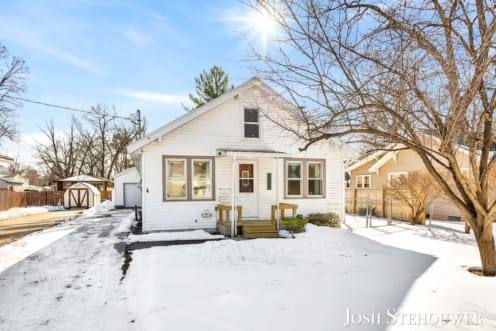
Yes, and more than most sellers realize.
West Michigan isn’t a year-round, even-paced market. Timing changes buyer psychology:
- Fall: Motivated families and relocators push to get settled before winter.
- Winter: Fewer casual showings, but higher-intent buyers. Homes can move quickly if they’re clean and priced correctly.
- Spring: The largest buyer pool returns, but so does the competition. More listings mean more price sensitivity.
↪ If you want a breakdown of how winter vs spring listing strategy affects days on market, I dig into that psychology here.
The point isn’t to hit the “perfect month.”
It’s to understand which season best matches your home’s condition and your buyer pool.
Why are Lakeside homes sitting longer this fall?
Lakeside is one of the most character-driven neighborhoods in Muskegon, and that’s both a strength and a challenge in late 2025. Buyers love the charm, the proximity to Muskegon Lake, and the walkability, but they’re also comparing homes more critically than before.
Here’s why some Lakeside homes are lingering:
- Many still have vintage interiors, which buyers now factor directly into their offer strategy.
- If pricing doesn’t reflect age or updates, buyers move on quickly.
- Some Lakeside streets are performing better than others, depending on water access and renovation levels.
Character sells, but only when the price meets the buyer’s expectation for the condition.
Why do waterfront homes behave differently in winter?

Waterfront and lake-adjacent homes don’t follow the same seasonal rules as inland properties. Winter changes how buyers evaluate them, but it doesn’t necessarily hurt demand.
Here’s what’s happening:
- Serious buyers search year-round because they’re planning long-term.
- Winter reduces casual lookers, which isn’t a bad thing, it filters-out noise.
- Views, natural light, and layout matter more when foliage is gone.
- Waterfront premiums hold better than inland comps, even when activity slows.
How long should I wait before adjusting my price?
Not as long as most sellers think.
In late 2025, buyer behavior in West Michigan is clearer than ever:
If your home is priced correctly, you’ll feel it within the first 10–14 days.
That doesn’t always mean an offer, but it does mean:
- solid showing traffic
- second looks
- good feedback
- buyers asking questions that lead toward offers
➥ Remember: a price adjustment isn’t a failure. It’s a realignment.
Small adjustments early almost always outperform bigger drops later. When you wait too long, buyers begin to assume your home is either overpriced or hiding a problem, even when that isn’t true.
↪ Check out a breakdown of timing, leverage, and how buyers are making decisions heading into 2026 by clicking here.
The key: don’t react emotionally or abruptly.
React strategically, with data, not fear.
What mistakes cause homes to sit too long?
Most homes don’t linger because the market is bad, they linger because the strategy is off. West Michigan buyers in 2025 are quick to move toward homes that feel aligned with their expectations, and just as quick to skip the ones that don’t.
Here are the mistakes that stall momentum:
- Overpricing in the first two weeks
Buyers don’t “wait and see” anymore. If the price doesn’t match the condition, they move on and never come back. - Ignoring condition gaps
Small issues, flooring, paint, outdated fixtures, stand out more when mortgage rates are high. Buyers want homes that feel worth the payment. - Weak presentation
Dim photos, cluttered rooms, or poor staging make buyers scroll past even good homes. - Slow reactions to early feedback
The first 10–15 days tell you everything. If the market is whispering, listen before it starts shouting.
The good news?
Most “sitting too long” problems are fixable, it just takes small, targeted adjustments, not a full renovation.
How can I speed up interest if showings slowed down?

When the showing count drops off, most sellers assume the worst. But a slowdown is usually a signal, not a sentence, and in West Michigan, a few targeted moves can restart momentum quickly.
Here’s what works right now:
- Refresh your photos or lead image
A new hero photo can push you back to the top of buyer search feeds and grab attention you missed the first time. - Tighten up presentation
Decluttering, better lighting, small décor tweaks, these matter more than most sellers think. When buyers decide in seconds, small improvements go a long way. - Realign the price with buyer expectations
You don’t always need a big price cut. Sometimes a slight adjustment is all it takes to reenter the buyer’s search filters. - Remove friction
Flexible showing windows, clean instructions, and easy access reduce chances of missed opportunities.
Once you understand how buyers think, you can position your home to meet them where they already are.
Let’s Talk Through Your Days-on-Market Story Before You Panic
If your home has been sitting longer than you expected, don’t jump to worst-case thinking. Days on market is a data point, not a judgment. And with the right adjustments, momentum can change quickly.
If you want clarity, strategy, or just a straight answer about what your listing is really telling buyers, I’m here to walk you through it. No pressure, no scripts, just a real conversation about what’s happening in your neighborhood right now.